I Killed Every Alert on My Phone and My Brain Finally Exhaled
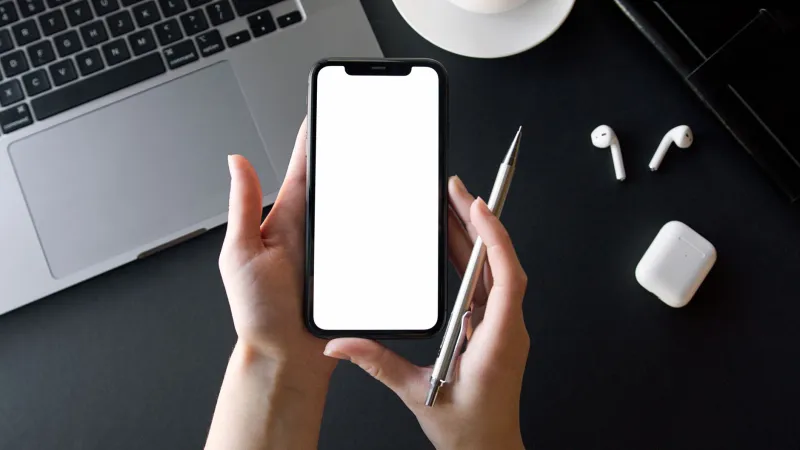
It started on a Tuesday morning when I missed a meeting — not because I didn't get the notification, but because I got forty-seven others before it and my brain had long since stopped registering any of them as urgent. The calendar alert drowned in a sea of news badges, Slack pings, a promotional email from a brand I haven't thought about since 2019, and two separate apps cheerfully reminding me to "stay hydrated."
I sat in my car in the parking garage, five minutes late, and thought: what is even happening to me?
That afternoon, I did something I'd been threatening to do for two years. I went into every single app on my phone — 74 of them — and turned off every notification. All of it. Badges, banners, sounds, lock screen previews, the little red numbers. Gone. Then I did the same on my laptop. Then my smartwatch. Total blackout.
I gave myself one week.
The First 24 Hours Felt Like Withdrawal
I want to be honest here: the first day was genuinely uncomfortable in a way I didn't expect. Not stressful, exactly. More like that feeling when you walk into a room and forget why you came — except it lasted for hours.
I kept picking up my phone out of pure muscle memory. Unlocking it, staring at a still screen, putting it back down. Over and over. My thumb would hover over the app icons like it was waiting for permission to do something. I checked my email manually no fewer than eleven times before noon because some part of my nervous system was convinced I was missing something catastrophic.
I wasn't, obviously. But my brain didn't know that yet.
Neuroscience has a term for this: the brain's salience network — the system that decides what deserves your attention — gets recalibrated by repeated interruption. Years of constant pinging essentially trains your brain to stay in a low-level state of vigilance at all times, always half-listening for the next buzz. Take away the buzzes, and the system keeps scanning anyway. It takes time to stand down.
By evening, I had a mild headache and an irrational urge to check Twitter.
Day Three: Something Shifted
Wednesday afternoon, I noticed something strange. I was working on a proposal that normally takes me two fractured hours of stop-and-start focus, and I had been sitting quietly at my desk for — I checked the clock — 47 uninterrupted minutes. I hadn't even noticed time passing.
That's the thing about constant micro-interruptions: they don't just break your concentration in the moment. Research on attention fragmentation suggests it can take anywhere from 15 to 25 minutes to fully re-enter a state of deep focus after a single distraction. If you're getting pinged every few minutes, you're never actually in flow at all. You're just skimming the surface of every task, all day long, and wondering why you feel exhausted without feeling accomplished.
By day three, the surface skimming had stopped. I was going in to things again.
I also noticed I was making faster decisions. Small ones, mostly — what to eat for lunch, whether to reply to a text or let it sit, which task to tackle next. That sounds trivial, but decision fatigue is real, and it compounds. Every tiny interruption that demands a micro-decision (do I look at this? respond now? later? ignore?) chips away at the same mental reservoir you need for the calls that actually matter.
The Unexpected Side Effects Nobody Talks About
Here's what the productivity articles don't usually mention: going notification-free changes your relationships, at least temporarily, and not always in a comfortable way.
Friends noticed I was slower to respond. One person asked if I was okay. My team at work had a brief moment of confusion about how to reach me quickly. There's a social contract baked into modern communication — an unspoken expectation that you are essentially always reachable, always half-present, always one buzz away from snapping to attention. Opting out of that, even briefly, feels vaguely antisocial.
I had to communicate more intentionally. I set specific times to check messages — morning, midday, end of day — and I told the people closest to me. It felt awkward at first. It also felt, slowly, like something I should have done years ago.
The other unexpected side effect? Boredom. Real boredom. The kind that doesn't immediately reach for a screen. Standing in line at Starbucks and just... standing there. Waiting for a call to start without filling the gap with a scroll. It felt foreign. And then, after a few days, it felt almost luxurious.
What Actually Came Back
By Friday, I had my attention span back. Not completely — years of conditioning don't reverse in five days — but noticeably. I was finishing sentences in my own head before getting distracted. I was reading articles all the way through. I sat through an entire podcast episode without once picking up my phone.
More than that, I felt present in a way that's hard to describe without sounding dramatic. Conversations felt fuller. My own thoughts felt louder, more coherent. I had ideas in the shower that I actually remembered by the time I dried off.
The clarity wasn't about doing more. It was about finally being able to hear myself think.
How to Do This Without Going Completely Off-Grid
You don't have to go full silent mode for a week to feel the difference. Start smaller:
Do a notification audit. Go through every app and ask: does this app genuinely need my immediate attention? For most of them, the answer is no. Email, social, news, shopping apps — none of these require real-time access to your nervous system.
Keep the essentials. Phone calls from people you care about. Calendar alerts for meetings. That's probably the full list for most of us.
Create check-in windows. Instead of being always available, pick two or three specific times a day to actively check messages and email. You'll respond just as effectively — and with a clearer head.
Tell people. A quick heads-up to your close circle removes most of the social friction. Most people adapt faster than you'd expect.
Give it three days minimum. The first 24 hours are the hardest. Push through the phantom vibrations and the urge to refresh. The quiet gets easier — and then it gets good.
I didn't go back to everything after the week ended. My lock screen is still empty. My laptop stays silent. I check Slack on my schedule, not its schedule. And my brain, for the first time in a long time, feels like it belongs to me again.
That might be the smallest change I've ever made with the biggest return.